Similar Posts

  • Jackson’s Story

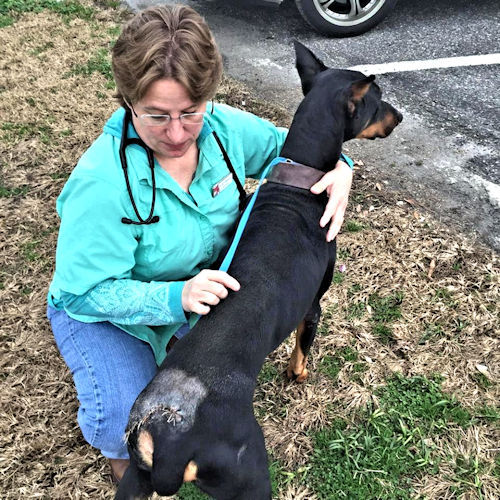
    Jackson is a male Doberman, approximately 7 years old. He was rescued this past December, 2015. He came to us due to medical neglect. Jackson had a large tumor on one hind leg. His owners were going to just let him die from the tumor. THANKFULLY, they agreed to surrender him to the Rutherford County Humane Society. The estimated cost of the surgery was $600. Donations had been requested and received. The problem was that he might have lost the entire leg, not to mention, his life. And the tumor might have been cancerous. He went into surgery to remove the tumor. The surgery was a success and the biopsy was negative. Jackson had physical therapy and time to recover. He was neutered and brought…

  • What to Do If You Find a Baby Kitten?

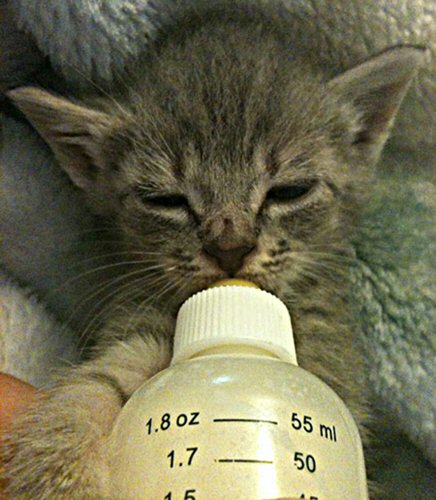
    ~ by Rachel Seagrave First, look to see if the mom is nearby.  If you find a kitten out in the open—such as a flower bed, or lying on the pavement or grass, it usually means the mom has dropped it. If there is any chance of getting the kitten back to its mom, TRY. Next and most importantly, when you find an orphaned kitten DO NOT ATTEMPT TO FEED IT! Kittens cannot generate heat and so can become chilled quickly. Feeding a kitten in a chilled state will almost always end in disaster.  You first need to make sure the kitten is warm before you do anything else. You can do this by simply putting the kitten under your shirt and against your chest…

  • TNR Rutherford County

    What is TNR? TNR stands for Trap-Neuter-Return.  (sometimes Trap-Neuter-Return-Vaccinate or Trap-Neuter-Release). TNR is a humane, non-lethal method of managing feral and free-roaming cat populations. TNR reduces the need for shelter euthanasia because it lowers the number of cats and kittens entering the shelter system. TNR of Rutherford County, NC is a local group of compassionate volunteers in Rutherford County who humanely capture unwanted cats in the community to be spayed/neutered and vaccinated. In conjunction with animal control and other established community programs, TNR of Rutherford County, NC volunteers return the spayed/neutered and vaccinated cats to their original outdoor locations, which helps stabilize feral cat populations and stop the breeding cycle. TNR of Rutherford County, NC is dedicated to working within communities by educating and empowering…

  • Remembering Our Pets – The Rainbow Bridge

    The Lake Lure Flowering Bridge is built  atop the historic, three-arch Historic Bridge #7 on North Carolina Highway 9 in Lake Lure, North Carolina. A unique and whimsical city park, the Flowering Bridge contains 30 gardens on and beside a reimagined bridge. One of the most popular features at the bridge is the Rainbow Bridge. Many visitors to the bridge come for the sole purpose of attaching their departed pet’s collar or tag to the Rainbow Bridge handrails. Often there are tears, but mostly it’s a calming place where pet owners can remember their beloved furry friends. You’ll find it at the entrance to the River’s Edge Dog Garden. The Rainbow Bridge is the brain child and creation of local artist Amy Wald. Amy built the…

  • My Dogs Will NEVER Accept a Cat…or Will They?

    ~ By Stephanie Janard It was official: I had fallen in love with the stray orange and white cat that barged into our yard one day and insisted on living with us. I set up a comfy space for “Skipper” on the back porch, where I let him in every night so he’d have a safe place to sleep. I even kept the porch light on for him. And in the daytime, I gave him plenty of attention and love wherever he was hanging out outside. But letting him inside was a different matter. In fact, I had decided he would need to be an outside cat.  I was simply terrified my two dogs would tear him to pieces. They sure gave every indication of…

  • Dog Heatstroke Survival Guide

    Know how to treat and prevent this dangerous condition. ~ Robert Newman What is heatstroke? In simple terms, heatstroke occurs when a dog loses its natural ability to regulate its body temperature. Dogs don’t sweat all over their bodies the way humans do. Canine body temperature is primarily regulated through respiration (i.e., panting). If a dog’s respiratory tract cannot evacuate heat quickly enough, heatstroke can occur. To know whether or not your dog is suffering from heatstroke (as opposed to merely heat exposure), it’s important to know the signs of heatstroke. A dog’s normal resting temperature is about 100.5 to 102.5 degrees Fahrenheit. Once a dog’s temperature rises above 105 degrees, physiological changes start to take place, and the dog begins to experience the effects…