TNR Rutherford County
What is TNR?
TNR stands for Trap-Neuter-Return. (sometimes Trap-Neuter-Return-Vaccinate or Trap-Neuter-Release). TNR is a humane, non-lethal method of managing feral and free-roaming cat populations. TNR reduces the need for shelter euthanasia because it lowers the number of cats and kittens entering the shelter system.
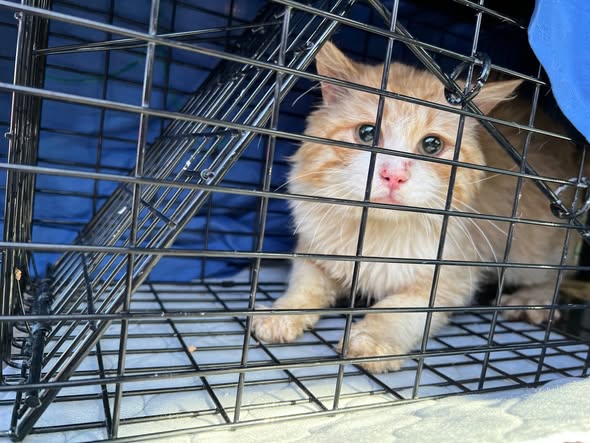
TNR of Rutherford County, NC is a local group of compassionate volunteers in Rutherford County who humanely capture unwanted cats in the community to be spayed/neutered and vaccinated. In conjunction with animal control and other established community programs, TNR of Rutherford County, NC volunteers return the spayed/neutered and vaccinated cats to their original outdoor locations, which helps stabilize feral cat populations and stop the breeding cycle.
TNR of Rutherford County, NC is dedicated to working within communities by educating and empowering residents to maintain and control healthy populations of stray cats.
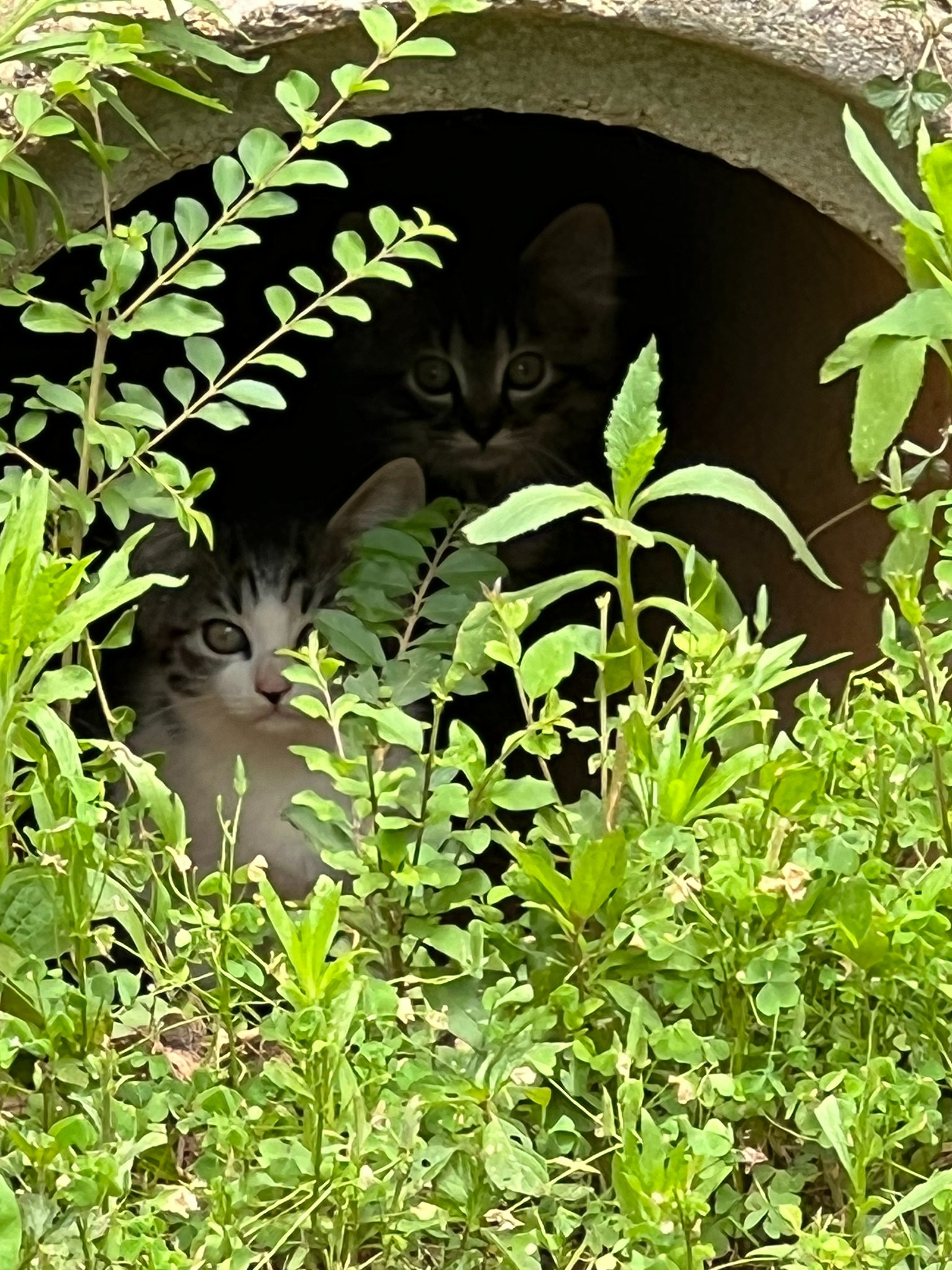
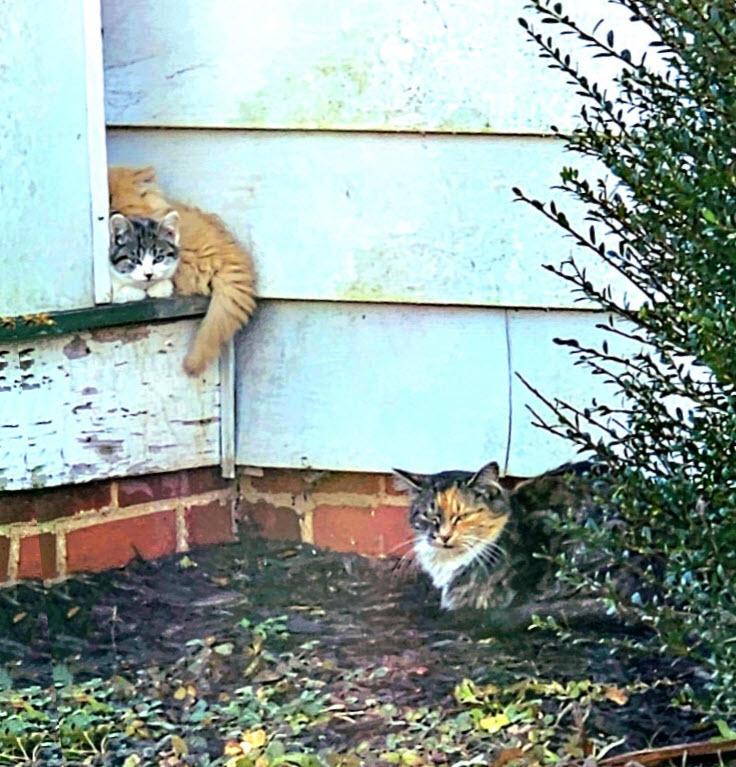
Their work results in effectively reducing the population of unwanted cats. Feral cat colonies have been here for years. Maybe a well- intentioned person or business started feeding one cat and then the population exploded and rescue groups were called to help. Unfortunately, some people choose to dump cats, and many of these cats end up in feral colonies. It is sometimes possible to rescue tame cats out of feral colonies, but true feral cats are not adoptable as pets. Feral cats are actually are much happier living their lives as feral cats in their own familiar territories. The proven method for dealing with and controlling the feral cat population is “fix and feed” otherwise known as trap-neuter-return (TNR). Feral cats thrive when they are spayed or neutered and then fed and cared for regularly.
Follow TNR of Rutherford County, NC on Facebook at https://www.facebook.com/groups/tnrrutherfordcountync
Maintaining and controlling healthy populations of stray cats.
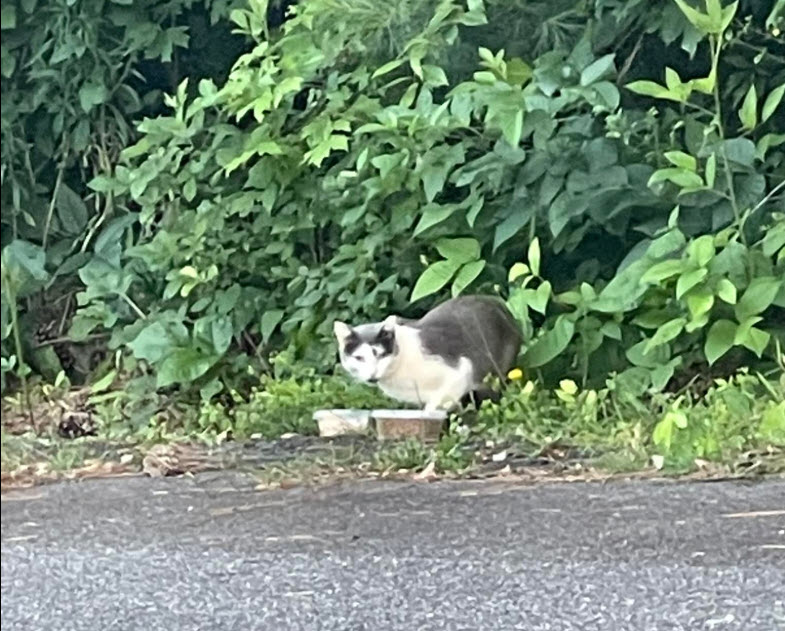
Rutherford County Humane Society volunteers travel daily to feed colonies of feral cats that live in Rutherford County. This is an integral part of animal rescue that some are not aware of. Feeding feral cat colonies requires a consistent, daily routine to keep cats healthy, prevent wildlife attraction, and maintain good neighbor relations. Rutherford County Humane Society welcomes volunteers (particularly those that live in Forest City, Spindale or Rutherfordton) to help feed feral cat colonies on an occasional basis. If you would like to volunteer or just be on a list to feed in an occasional emergency, please contact us here on our website at https://rutherfordcountyhumanesociety.org/contact/.