Similar Posts

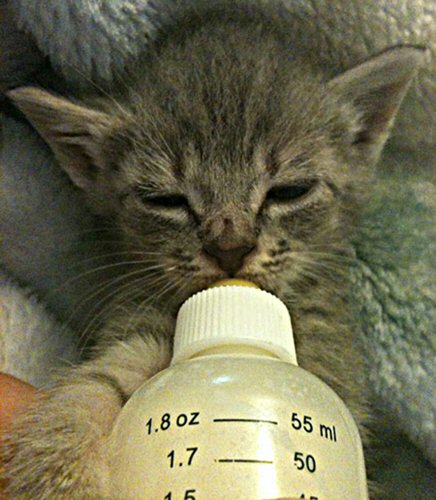
  • What to Do If You Find a Baby Kitten?

    ~ by Rachel Seagrave First, look to see if the mom is nearby.  If you find a kitten out in the open—such as a flower bed, or lying on the pavement or grass, it usually means the mom has dropped it. If there is any chance of getting the kitten back to its mom, TRY. Next and most importantly, when you find an orphaned kitten DO NOT ATTEMPT TO FEED IT! Kittens cannot generate heat and so can become chilled quickly. Feeding a kitten in a chilled state will almost always end in disaster.  You first need to make sure the kitten is warm before you do anything else. You can do this by simply putting the kitten under your shirt and against your chest…

  • Lost or Found Pets

    If you have lost or found a pet in Rutherford County, the best thing you can do is to get the word out in a hurry. If you have a picture of your pet, make flyers with large print of pet’s name, identifying marks or characteristics. Include the date and place your pet was last seen. Put them in places like the stores and Post Office near you. Post them at street corners. Call the local vets and describe your pet to them and then take posters for the veterinary offices. Check your flyers regularly to be sure they are still where you placed them and that they remain in good condition. Borrow a humane trap if your pet has been sited in a certain area. Check the…

  • Can You Pass The Chained Dog Test?

    Most humans probably can’t. But many dogs in Rutherford County pass this test every day. All day and night, in fact. Granted, once someone has tied them up with a rope or chain, they have no choice in the matter. Let’s see how well we humans can do. It’s “easy.” Simply put a collar around your neck with a rope or chain tied to it, then take the other end of the rope or chain and tie it somewhere sturdy. So that you can’t get loose. Now, see how long you can stand it. For an extra fair test, make sure you keep yourself tied up in all sorts of weather, just like dogs do. Try this out in hundred degree temperatures with gnats and…

  • Dog Heatstroke Survival Guide

    Know how to treat and prevent this dangerous condition. ~ Robert Newman What is heatstroke? In simple terms, heatstroke occurs when a dog loses its natural ability to regulate its body temperature. Dogs don’t sweat all over their bodies the way humans do. Canine body temperature is primarily regulated through respiration (i.e., panting). If a dog’s respiratory tract cannot evacuate heat quickly enough, heatstroke can occur. To know whether or not your dog is suffering from heatstroke (as opposed to merely heat exposure), it’s important to know the signs of heatstroke. A dog’s normal resting temperature is about 100.5 to 102.5 degrees Fahrenheit. Once a dog’s temperature rises above 105 degrees, physiological changes start to take place, and the dog begins to experience the effects…

  • What Does “Adoptable” Mean, Anyway?

    ~ By Rachel Seagrave To me, adoptable is almost indefinable. Beauty is in the eye of the beholder, they say, and so it goes with the animals we love. And not just in terms of their outer beauty. There is no denying that a kitten or a puppy will get you every time with the cuteness factor. But what really drops me to my knees is the love of an old pet.  My ancient poodle would easily have been euthanized by most. Her hair wasn’t curly like it should be and she only had a couple teeth left. Her eyes unseeing, her head was almost always turned in anticipation of hearing my voice – which she would answer with her shrill little bark. All of…